Japan rewards preparation more than almost any other destination. The country is vast, train networks are intricate, cultural expectations differ from the West, and seasonal timing determines whether you pay $80 or $280 a night for the same hotel. Getting these decisions right before you book changes the entire trip.
This guide covers every major planning decision for a Japan trip in 2026 — from the best time to visit and how much to budget, to which city to base yourself in and what not to forget to pack. Each section links out to a deeper guide for travelers who want to go further on any topic. Treat this as your planning headquarters.
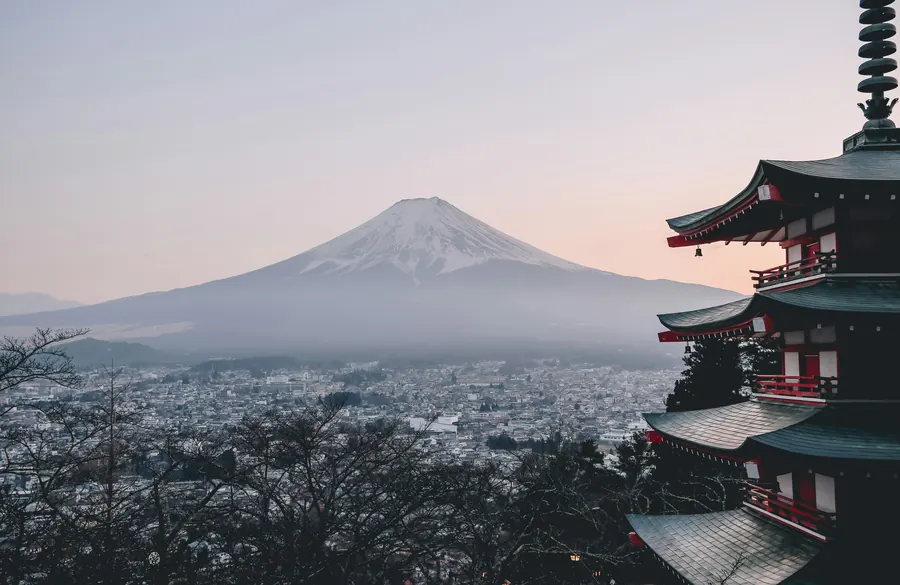
Why Japan Is Worth Every Penny (and How to Afford It)
Japan has a reputation for being expensive that largely doesn't match the reality for 2026 travelers. The yen has been weak against the dollar since 2022, making everyday Japan spending significantly more affordable than it was even four years ago. A bowl of excellent ramen costs $8–12. Convenience store meals are $3–7. Most temple grounds are free to enter.
What pushes costs up is peak-season accommodation and international flights. Cherry blossom season (late March to April) and autumn foliage (November) double or triple hotel prices in Kyoto and Tokyo — and flight prices follow. If you can travel in May or September instead, you keep the good weather and lose the price surges. A realistic 7-day trip runs $1,800–3,500 per person all-in including flights from the US. The full breakdown lives in our Japan travel budget guide.
If Japan's costs currently sit outside your range, our Bali vs. Thailand comparison covers two excellent alternatives in Southeast Asia at significantly lower price points — typical 7-day trips run $800–1,600 per person.
Japan is among the world's fastest-rising destinations for visitor numbers. Before you book, check Japan's crowd and budget pressure scores on the Tourism Demand Index — seasonal timing affects how crowded your trip will be more here than almost anywhere else.
When to Visit Japan: Season-by-Season Breakdown
Japan has four distinct travel seasons, each with a different cost and experience profile. The full month-by-month breakdown is in our best time to visit Japan guide, but here's the decision map:
- Spring (late March – April): Cherry blossom season. Iconic, crowded, and expensive. Book accommodation 4–6 months ahead. Hotel prices in Kyoto and Tokyo double or triple at peak bloom dates.
- Late April – May: The sweet spot. Cherry blossoms mostly gone, weather excellent (18–24°C), prices at shoulder rates, crowds manageable. Highly recommended for first-timers.
- June – August: Rainy season (June) followed by hot and humid summer. Prices drop significantly. Festival season — Gion Matsuri in Kyoto, summer fireworks nationwide. Less popular with foreign tourists but vibrant for locals.
- September – October: Another sweet spot. Heat fading, typhoon risk declining by mid-October, early autumn foliage beginning. Excellent value relative to the quality.
- November: Autumn foliage peak. Nearly as crowded as cherry blossom season, prices spike again. Spectacular at major temple gardens in Kyoto, Nikko, and Arashiyama.
- December – February: Off-peak winter. Cold but beautiful — winter illuminations in Tokyo, Sapporo Snow Festival in February. Cheapest months by a significant margin, 30–50% below peak prices.
Japan's rising tourism trend is visible in the data — visitor arrivals have been climbing across all seasons, and May and September shoulder windows are increasingly in demand. Factoring this into your travel dates is one of the clearest ways to save on accommodation and avoid crowds.
How Much Does a Trip to Japan Cost?
Below are realistic per-person budgets for a 7-day Japan trip, excluding international flights. Add $700–1,800 per person for round-trip flights from the US depending on origin city and season. Our dedicated guides on the 7-day Japan cost breakdown and whether Japan is actually expensive go deeper on every line item.
| Travel Style | Daily Budget (ex-flights) | 7-Day Total (ex-flights) | All-In with Flights |
|---|---|---|---|
| Budget | $75–110/day | $525–770 | $1,225–2,570 |
| Mid-Range | $150–230/day | $1,050–1,610 | $1,750–3,410 |
| Comfortable | $280–400/day | $1,960–2,800 | $2,660–4,600 |
The biggest cost variables: accommodation tier (budget capsule hotels at $25–50/night vs. ryokan with kaiseki at $200–400/person/night), international flight prices, and whether you're traveling during cherry blossom or foliage season when rates surge.
Tokyo vs. Osaka: Which City Should You Base Yourself In?
For most first-timers, the answer is both — they're 2.5 hours apart by Shinkansen. The deeper question is where to spend more time. Our Tokyo vs. Osaka comparison covers this thoroughly. The quick version:
- Tokyo is larger, more diverse, and better for neighborhoods, culture, museums, and fashion. Shibuya crossing, Akihabara, Ueno, Shinjuku, Asakusa — each is a distinct world. Read our guide to best areas to stay in Tokyo to choose the right neighborhood for your style and budget.
- Osaka is Japan's food capital. More casual, cheaper overall, legendary street food (takoyaki, okonomiyaki, kushikatsu), and Dotonbori at night is a genuine spectacle. Works as a base for Kyoto and Nara day trips.
- Kyoto is the temple and traditional culture capital. Not a base city for the Tokyo-vs-Osaka argument, but deserves 2–3 dedicated nights. The concentration of world-class shrines, geisha districts, and historic streetscapes is unmatched anywhere in Japan.
Most first Japan trips follow Tokyo → Kyoto → Osaka. Two weeks gives you 3–4 nights in each plus day trips.
Getting Around Japan: Trains, IC Cards, and the JR Pass
Japan's train network is the backbone of any trip. The full breakdown is in our Japan transportation guide. The critical decisions:
- IC Card (Suica or Pasmo): Buy one at the airport immediately. A rechargeable card that works on all trains, subways, and buses in Tokyo, and at most convenience stores and vending machines. Tap in, tap out — no individual tickets to buy.
- JR Pass: $300/person for 7 days, $480 for 14 days. Worth it if you're doing Tokyo–Kyoto–Osaka plus day trips to Hiroshima or Nikko. Not worth it for Tokyo-only trips. Calculate your specific route before purchasing.
- Shinkansen: Japan's bullet train connects all major cities. Tokyo to Osaka takes about 2.5 hours. The reserved seat experience is immaculate — one of the genuine travel highlights of any Japan trip.
- Airport transfers: Narita Express from Narita Airport to Tokyo Station: about $35 each way, 60 minutes. From Haneda Airport, trains take 25–40 minutes into central Tokyo.
What to Eat in Japan (Without Spending a Fortune)
Japan's food culture is one of the most compelling reasons to visit, and eating well is remarkably cheap. The full breakdown is in our cheap eats Japan guide and our Tokyo food budget guide. The essentials:
- Convenience stores (7-Eleven, FamilyMart, Lawson): The single best budget eating strategy in Japan. Onigiri ($1–2), sandwiches, hot foods, excellent coffee ($1.50). Many travelers eat convenience store breakfasts and snacks daily with zero regret.
- Ramen shops: A bowl of genuine ramen at a local shop costs $7–12. Standing ramen bars are cheapest. This is the everyday lunch of Japan.
- Gyudon (beef bowl) chains: Yoshinoya, Sukiya, Matsuya — a full meal for $4–7. Fast food Japan-style, significantly better than it sounds.
- Lunch set menus (teishoku): Many full sit-down restaurants serve a set lunch 30–40% cheaper than their dinner prices for the same dishes. The insider move for eating well on a budget.
- Soba and udon: $6–10 for a full bowl at a local restaurant. Standing soba bars near train stations are excellent and very fast.
Best Areas to Stay in Tokyo
Tokyo is enormous — 37 million people in the metropolitan area. Where you stay determines your experience significantly. Our full best areas in Tokyo guide compares six neighborhoods, but here's the quick map:
- Shinjuku: Best all-around base. Major transport hub, excellent food and nightlife, great hotel value, convenient for day trips. Slightly chaotic but endlessly interesting.
- Shibuya: Iconic crossing, younger energy, fashion and shopping, excellent dining. Similar convenience to Shinjuku. Strong choice for first-timers who want the classic Tokyo visual.
- Asakusa: Traditional Tokyo — Senso-ji temple, rickshaws, kimono rentals, craft shops. Quieter and more local-feeling. Best for travelers prioritizing traditional Japan.
- Ginza: Upscale, expensive, excellent restaurants. Best for travelers with a higher accommodation budget.
- Akihabara: Electronics, anime, gaming culture. Niche but extraordinary if that is your interest.
For a full night-out budget breakdown, see our guide to what Tokyo nightlife actually costs and the best free things to do in Tokyo for daytime without entrance fees.
What to Pack for Japan
Japan has specific packing requirements that differ from most other trips. Our Japan packing checklist covers every category with seasonal adjustments, but the non-negotiables:
- Slip-on shoes: You remove shoes at traditional restaurants, ryokan, some museums, and temples. Doing this 6–8 times a day with lace-up shoes becomes genuinely annoying by day two.
- Portable WiFi or SIM card: Navigation is critical in Japan — you'll use Google Maps constantly. Book a pocket WiFi before you arrive or buy a tourist SIM at the airport.
- Cash: Japan remains heavily cash-reliant. Many small restaurants and temple booths are cash-only. Keep ¥20,000–30,000 ($135–200) on hand. 7-Eleven and Japan Post ATMs reliably accept foreign cards.
- Small day bag: Japan has almost no trash cans in public spaces. You carry your trash. A small bag keeps this manageable.
- IC card (Suica): Get this at the airport before you exit the arrivals hall.
For the full seasonal breakdown and which items are actually cheaper to buy after you arrive, see our Japan travel essentials guide.
Common Japan Travel Mistakes (And How to Avoid Them)
The most common Japan travel mistakes are avoidable with 10 minutes of preparation. The full list is in our Japan travel mistakes guide. The ones that matter most for first-timers:
- Buying a JR Pass you don't need: Calculate your actual route before purchasing. Tokyo-only trips never recoup a $300 pass.
- Not bringing enough cash: ATMs that accept foreign cards are not everywhere. Stock up at 7-Eleven or Japan Post ATMs and keep ¥20,000+ on hand.
- Booking Kyoto accommodation too late: For cherry blossom and foliage seasons, good Kyoto accommodation books out 3–5 months ahead.
- Talking loudly on trains: Trains in Japan are quiet by cultural norm. Phone calls are not done in train cars — this is taken seriously and you will be stared at.
- Eating at tourist-zone restaurants near major landmarks: A bowl of ramen near Senso-ji or Fushimi Inari often costs 2–3x what the same quality costs one block off the main tourist street.
Japan Travel Essentials Checklist
The practical knowledge that makes Japan run smoothly from day one is covered in our Japan travel essentials guide. The must-dos before departure:
Pre-Departure Checklist
- Passport valid 6+ months beyond your travel dates
- US citizens enter Japan visa-free for up to 90 days — register on Visit Japan Web for faster border processing
- Book cherry blossom or foliage accommodation 3–5 months ahead
- Decide on JR Pass (yes/no) based on your specific route — buy before departure or on arrival
- Arrange pocket WiFi or tourist SIM card (order before departure for best rates)
- Confirm your debit card works at Japanese ATMs — or load cash in advance
- Book popular restaurants (specific ramen shops, kaiseki) at least 2–4 weeks ahead
Is Japan Safe for Solo Travelers?
Japan consistently ranks among the safest countries in the world for solo travelers of all genders. Crime rates are extremely low by global standards. Trains run safely late at night. Lost items are regularly turned in to station lost-and-found offices. The cultural norm is non-interference with strangers — which means you won't be hassled, but also means you need to ask for help rather than waiting for it to be offered.
Solo female travelers specifically rate Japan as one of their most comfortable destinations globally. The main concerns are practical rather than safety-related: navigating the train system, language barriers at non-tourist restaurants, and the occasional connectivity dead zone. All are manageable with preparation.
Deep-dive guides covering every part of your Japan trip.
Frequently Asked Questions About Traveling to Japan
How much money do I need for 2 weeks in Japan?
Do I need to speak Japanese to travel in Japan?
Is Japan expensive compared to other Asian countries?
What is the best time of year to visit Japan?
Do I need a JR Pass for Japan?
Is Japan safe for solo travelers?
How many days do I need in Japan?
Ready to plan your trip? Use the DreamVacati travel tools to build your budget, generate a packing list, and find the best time to visit Japan. Or go straight to our trip planning guide →